
 Public
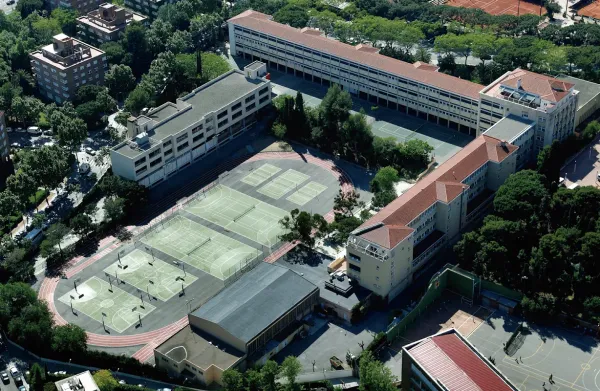
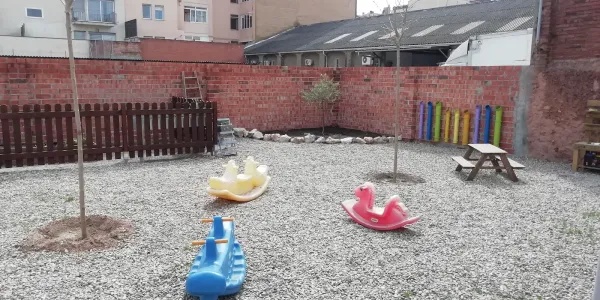
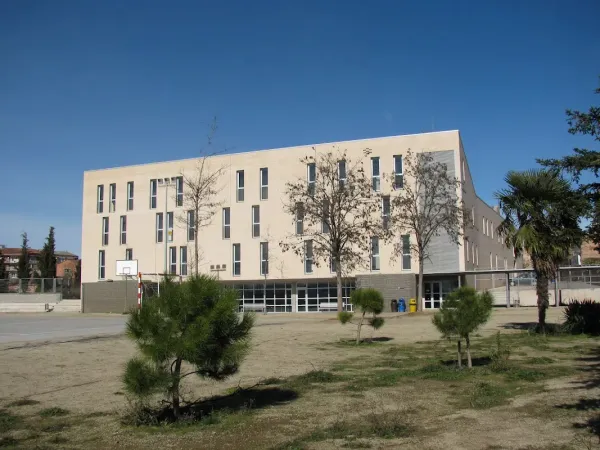
Institut Salvador Espriu
Salt
Discover the best schools in Spain's top cities
Find the perfect school in 3 simple steps
Filter by city, school type, educational program, and more.
Review opinions, programs, facilities, and ratings.
Request information directly from the school that interests you most.
The highest-rated schools in Spain
Pick a type and a city to see the schools
10,756 schools
1,035 schools
9,547 schools
10,059 schools
21,211 schools
15,131 schools
9,358 schools
4,826 schools
Useful articles and guides for families
A practical guide to understanding applications, scoring, appeals and enrollment in Valencian public and publicly funded private schools, with the published call timeline.
Everything about IB schools in Spain: what the IB program is, advantages for university admission, list of schools by city, and comparison with Spanish bachillerato.
Ranking of the best British schools in Spain by city. We analyze curriculum, A-Level results, BSO inspections, and prices of top British schools.
Complete guide to foreign credential recognition and validation in Spain. Step-by-step process, documents, timelines, and particularities by country of origin.
Leave us your details and we'll provide free, personalized advice.
1,000+ families already advised
Moving to Spain with school-age children means learning a system with its own stages, three kinds of school ownership and an admission calendar set by each autonomous community rather than nationally. This guide covers what matters most before you start comparing individual schools.
Education is compulsory and free between the ages of 6 and 16, although most families start earlier.
The three models differ in who funds the school and who runs it, which says nothing about quality on its own.
Families arriving from abroad usually weigh three options. International schools teach a foreign curriculum — British, American, French, German and others — and often lead to the International Baccalaureate or to A-levels, which helps if another move is likely. Bilingual state and Concertado schools teach part of the timetable in English while following the Spanish curriculum. Ordinary Spanish-language schools offer the fastest immersion, and many run support programmes for pupils who arrive without the language.
In regions with a co-official language — Catalan, Basque, Galician or Valencian — check which language the school actually teaches in, not only which ones it offers.
Places in state and Concertado schools are allocated on points. Proximity to your home or workplace, siblings already at the school, household income and certain recognised circumstances usually carry the most weight. The application window generally falls in spring for the following academic year, but the calendar and the scoring criteria are published by each autonomous community, so confirm them with the regional education department.
Arriving mid-year is a normal situation the system provides for, and children can be enrolled outside the ordinary window. Studies completed abroad may need formal recognition; requirements depend on the level and the country, and are handled through the education administration.
Budget beyond tuition from the start: enrolment or place-reservation fees where they apply, monthly fees at private schools, canteen, school transport, after-school activities, materials and uniform. Ask each school for the full breakdown in writing before you decide.